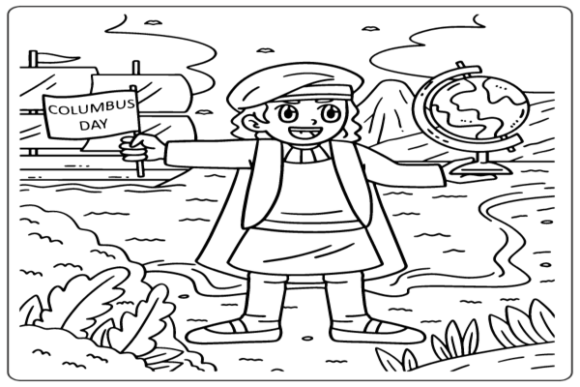
Engage Audiences with Columbus Day Coloring Pages
In the realm of graphic design, seasonal assets are powerful tools for capturing attention and fostering community engagement. Columbus Day coloring pages offer a unique blend of historical education and creative expression, making them invaluable for designers, educators, and marketers alike. These printable sheets, featuring iconic imagery from Christopher Columbus's voyage, transform abstract historical concepts into tangible, interactive experiences. For professionals in visual communication, they represent a versatile resource that can be adapted across multiple platforms to enhance branding, user engagement, and educational outreach.
The Role of Visual Design in Historical Education
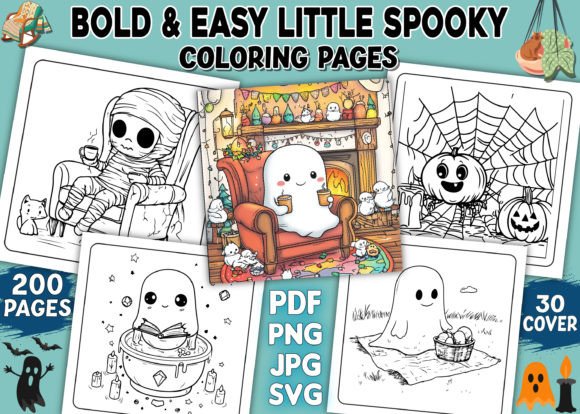
Effective visual design bridges the gap between information and audience comprehension. Columbus Day coloring pages exemplify this by distilling complex historical narratives—exploration, navigation, discovery—into clear, engaging visuals. From a graphic design perspective, these assets demonstrate core principles: simplicity in line art for coloring, strategic use of negative space, and symbolic imagery that conveys story without words. This approach aligns with modern design trends favoring clarity and user participation, making historical content accessible to diverse age groups and learning styles.
Practical Applications Across Creative Projects
These coloring pages extend far beyond simple classroom activities. Their adaptability makes them suitable for various professional contexts:
- Brand Identity and Marketing: Incorporate themed coloring sheets into promotional campaigns for educational brands, museums, or historical societies. They can serve as free giveaways that reinforce brand values of creativity and learning.
- Social Media Graphics: Use the pages as interactive content to boost engagement. Encourage followers to share their colored creations, generating user-generated content that enhances community building.
- Editorial and Web Design: Integrate coloring page elements into blog posts, digital magazines, or website resources focused on education, parenting, or creative hobbies. This adds visual interest and provides practical value to readers.
- Packaging and Merchandise: For brands in the creative supply industry, these designs can inspire product packaging for art supplies or be adapted into standalone merchandise like activity books or posters.
- Presentations and Digital Products: Enhance slideshows, e-books, or online course materials with thematic visuals that make content more memorable and engaging.
Evaluating and Implementing Design Assets
When selecting Columbus Day coloring pages or similar creative assets, consider key factors that impact usability and aesthetic quality. Ensure the designs maintain visual hierarchy through clear line weights and well-defined shapes, which facilitates both coloring and potential digital repurposing. Assess scalability—assets should perform well across sizes, from small social media icons to large printed posters. Consistency in style is crucial for brand alignment; look for pages that complement existing color palettes and typography systems. Finally, prioritize high-resolution formats like PDF or JPG to guarantee crisp output in both print and digital applications.
Enhancing Communication Through Thoughtful Design
The true value of assets like Columbus Day coloring pages lies in their ability to foster interaction and deepen understanding. By incorporating these resources into your design workflow, you create opportunities for audiences to engage actively with content, whether in educational settings, marketing initiatives, or personal creative projects. This participatory approach aligns with contemporary UX design principles, emphasizing user agency and meaningful interaction. Ultimately, investing in high-quality, well-crafted visual resources elevates both the aesthetic appeal and communicative power of your work, ensuring your projects resonate with clarity and creativity.