Into the Forest Vol.1: A Nature-Inspired Collection for Designers
Imagine a design asset that instantly transports your audience to a tranquil, sun-dappled woodland. The Into the Forest Vol.1 | Collection achieves precisely this, offering a sophisticated toolkit for creators seeking to infuse their work with organic texture and timeless charm. This curated set of 20 high-resolution papers merges rustic wooden board patterns with the subtle depth of old paper textures and faint woodland landscapes, providing a versatile foundation for countless creative projects.
Understanding the Asset: More Than Just Paper Textures
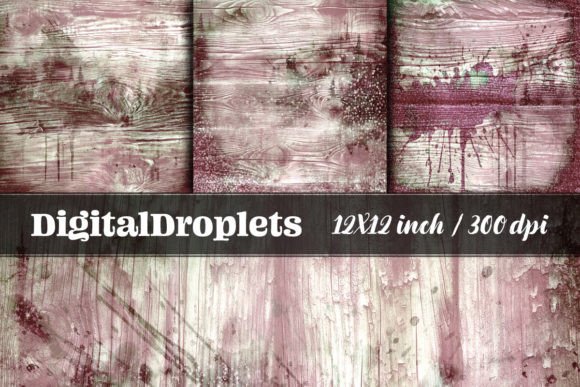
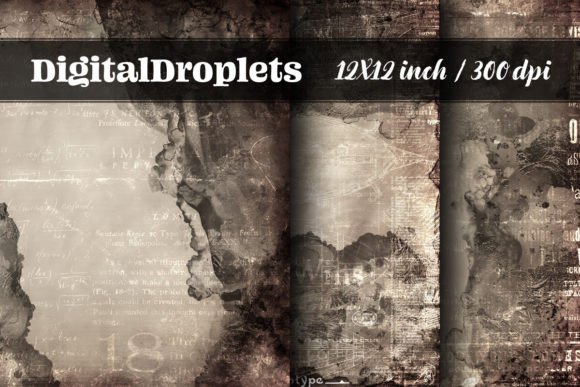
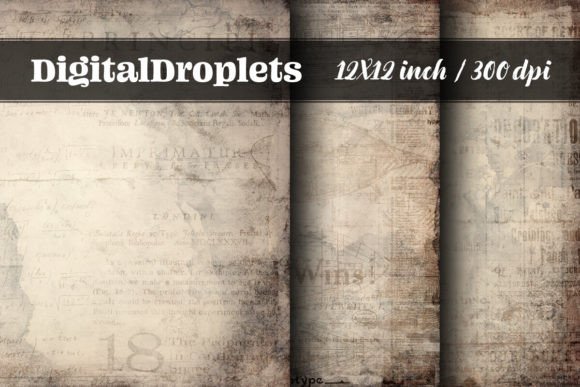
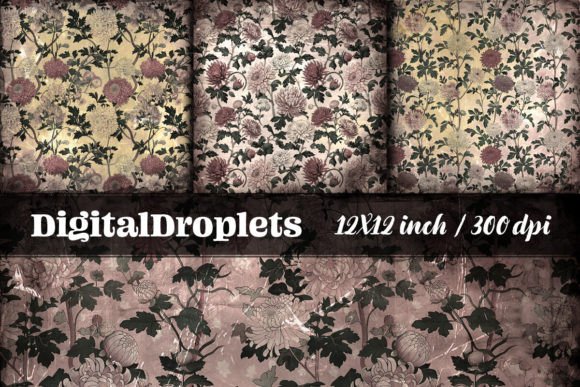
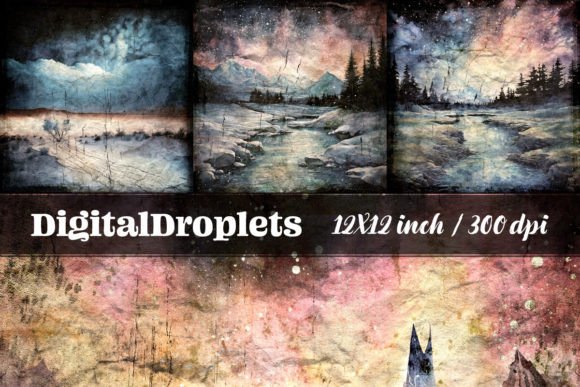
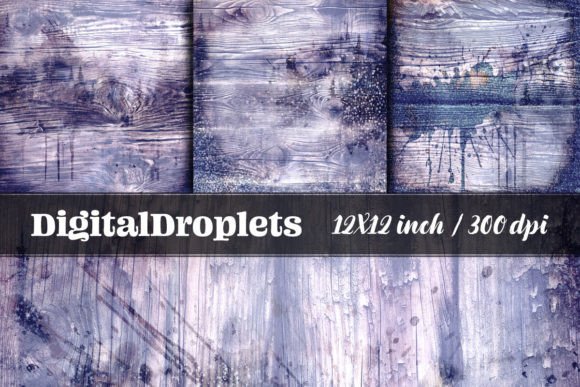
At its core, this collection is a study in layered visual storytelling. Each 12x12 inch, 300dpi JPEG file is a composite design element, blending:
- Wood Grain Patterns: Providing structure and a natural, tactile feel.
- Aged Paper Textures: Adding historical depth, warmth, and a handcrafted aesthetic.
- Faint Landscape Overlays: Introducing subtle, atmospheric woodland imagery that enhances mood without overwhelming a design.
This combination makes it a powerful resource for designers working within branding, editorial design, and digital marketing, where creating an immediate and specific emotional connection is paramount.
Practical Applications Across Design Disciplines
The true value of a creative asset like the Into the Forest collection lies in its adaptability. It seamlessly integrates into various workflows, enhancing both digital and print projects.
Strengthening Brand Identity & Packaging
For brands in the artisan, organic, or outdoor sectors, these textures are invaluable. They can form the backdrop for logo presentations, inspire a cohesive color palette, or become integral to packaging design. Using a textured paper as the substrate for a label or box instantly communicates quality, tradition, and a connection to nature, elevating the entire unboxing experience.
Elevating Marketing and Social Media Content
In the fast-paced realm of digital marketing, standing out is crucial. These papers serve as compelling backgrounds for social media graphics, blog headers, and online advertisements. A promotional quote set against a subtle forest texture gains depth and visual interest, improving user engagement. The consistent aesthetic across platforms helps in building a recognizable brand voice.
Enhancing Print and Editorial Design
The applications extend deeply into traditional print design. Consider using these papers as backgrounds for scrapbooking, junk journals, or mixed-media collages. They are perfect for creating unique envelopes, tags, washi tape strips, and frames. In editorial layouts, they can introduce section breaks, highlight pull quotes, or add a decorative border that enriches the reader's visual journey.
Tips for Effective Integration into Your Design Workflow
To maximize the impact of any texture pack, thoughtful application is key. Here’s how to use these assets effectively:
- Establish Visual Hierarchy: Use the more detailed textures for focal points and simpler ones for backgrounds to maintain readability and guide the viewer's eye.
- Maintain Consistency: Select 2-3 complementary papers from the set to use across a single project or campaign to create a unified look and feel.
- Layer with Purpose: Experiment with blending modes (like Multiply or Overlay) in your design software to integrate text and graphics seamlessly with the texture.
- Consider Your Audience: Ensure the rustic, natural aesthetic aligns with your project's goals and your target audience's expectations for a cohesive user experience.
Quality creative assets are the building blocks of exceptional design. They save valuable time in the design workflow, provide immediate visual inspiration, and offer a professional polish that can be difficult to achieve from scratch. Choosing resources that are both versatile and high-resolution, like this collection, ensures your work remains scalable and crisp across all mediums, from a small planner sticker to large-scale wall art. Thoughtful selection of textures and patterns is not merely decorative; it is a strategic decision that strengthens communication, defines brand identity, and ultimately creates a more immersive and memorable experience for your audience.