Mushroom Library Cards Vol.6: A Designer's Botanical Asset
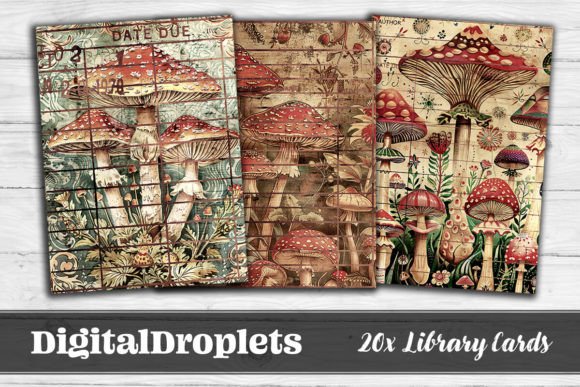
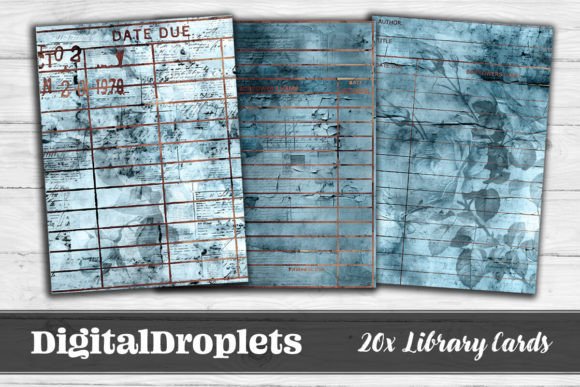
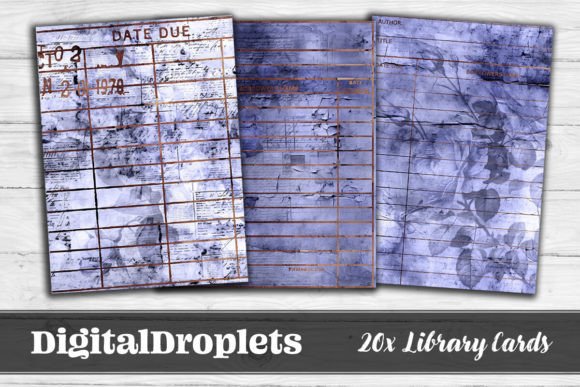
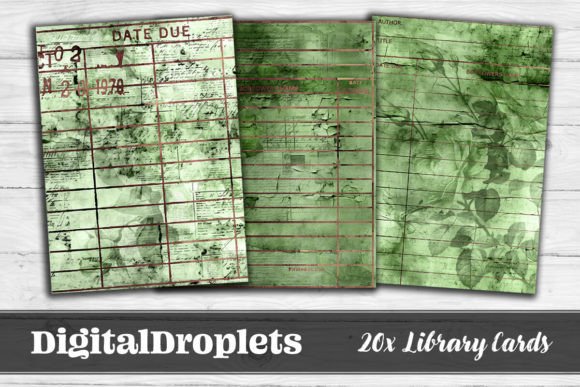
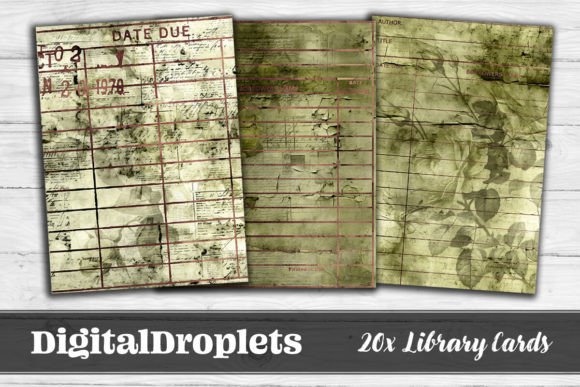
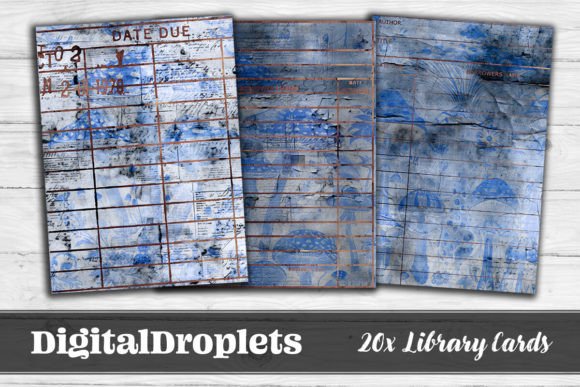
Infusing a project with a sense of organic narrative and tactile history is a powerful way to capture attention, and few assets achieve this as elegantly as a well-designed library card. The Mushroom Library Cards Vol.6 collection offers a unique set of 20 high-resolution PNG files, merging the classic, scholarly aesthetic of library checkout slips with intricate, whimsical mushroom patterns. This specific volume is part of a broader Mushroom Library Cards Collection, providing designers with a versatile tool for adding depth, texture, and a touch of vintage charm to a wide array of creative projects.
Elevating Visual Communication with Niche Design Assets
In a digital landscape saturated with generic stock imagery, specificity is key to memorable branding and design. The value of a set like Mushroom Library Cards Vol.6 lies in its ability to tell a story instantly. For graphic designers, this asset transcends simple decoration; it becomes a foundational element for building a cohesive visual language. The overlay of botanical illustrations onto a familiar library format creates an immediate juxtaposition of nature and knowledge, nostalgia and modernity. This blend is highly effective for projects aiming to evoke feelings of curiosity, craftsmanship, and intellectual warmth.
From a professional standpoint, incorporating such detailed elements can significantly strengthen a brand identity. A boutique mycology shop, a fantasy author's book branding, or an educational platform about foraging could seamlessly integrate these cards into their visual systems. The consistent theme across the collection ensures that designers can maintain a unified aesthetic across multiple touchpoints, from digital interfaces to printed collateral, reinforcing brand recognition and audience engagement.
Practical Applications for Modern Creative Projects
The true strength of these creative assets is their adaptability. The high-resolution 300dpi PNG format ensures crisp output for both digital and print design, making them a reliable component in any professional's toolkit. Consider their application across various domains:
- Branding and Marketing Materials: Use individual cards as unique background elements for business cards, thank you notes, or letterheads. They can serve as a distinctive frame for product information in lookbooks or as engaging visuals in email newsletters.
- Social Media and Digital Content: Create eye-catching Instagram stories, Pinterest pins, or Facebook posts. The cards can act as a "digital sticker" for quotes, announcements, or interactive poll backgrounds, adding a layer of visual interest that stops the scroll.
- Editorial and Web Design: In UI/UX design, they can inspire the aesthetic for a niche blog, a book review site, or a digital journal application. For editorial layouts, they make perfect chapter dividers or margin decorations that enhance the reader's experience without distracting from the content.
- Packaging and Merchandise: For packaging design, a library card print can transform a simple box or tag into a collectible item. They are also ideal for creating merchandise like postcards, sticker sheets, or inserts for subscription boxes related to literature, art, or nature.
- Junk Journals and Scrapbooks: Beyond commercial use, these assets are perfect for personal creative projects. They provide authentic-looking ephemera for digital scrapbooking, hybrid journaling, and photo album layouts, adding a curated, artistic touch to personal memorabilia.
Integrating Assets with Intentionality and Skill
Simply having a beautiful design element is not enough; its effective use is what separates good design from great design. When integrating assets like the Mushroom Library Cards Vol.6, consider the principles of visual hierarchy and composition. A card can be used as a focal point or as a subtle texture in the background. Its color palette should complement, not clash with, the overall scheme of your project. Ensure readability by pairing the detailed card patterns with clean, legible typography—perhaps a simple sans-serif or a classic serif font—to maintain balance.
Scalability is another crucial factor. Since these are high-resolution PNGs, they can be scaled down for icons or used at a larger size for posters without losing quality. Always evaluate how the asset interacts with other elements in your design. Does it support the message? Does it guide the viewer's eye? Thoughtful application ensures the asset enhances communication rather than creating visual noise. Checking the designer's shop for other variations or freebies can also help you build a more comprehensive and cohesive library of resources for your workflow.
Ultimately, the choice of creative assets reflects a designer's attention to detail and commitment to a polished final product. Resources like the Mushroom Library Cards Vol.6 set empower creators to move beyond templates and inject authentic, thematic character into their work. By selecting high-quality, purpose-driven elements, you invest in the aesthetic and communicative power of your designs, ensuring they resonate with your audience and stand out in a crowded visual world.